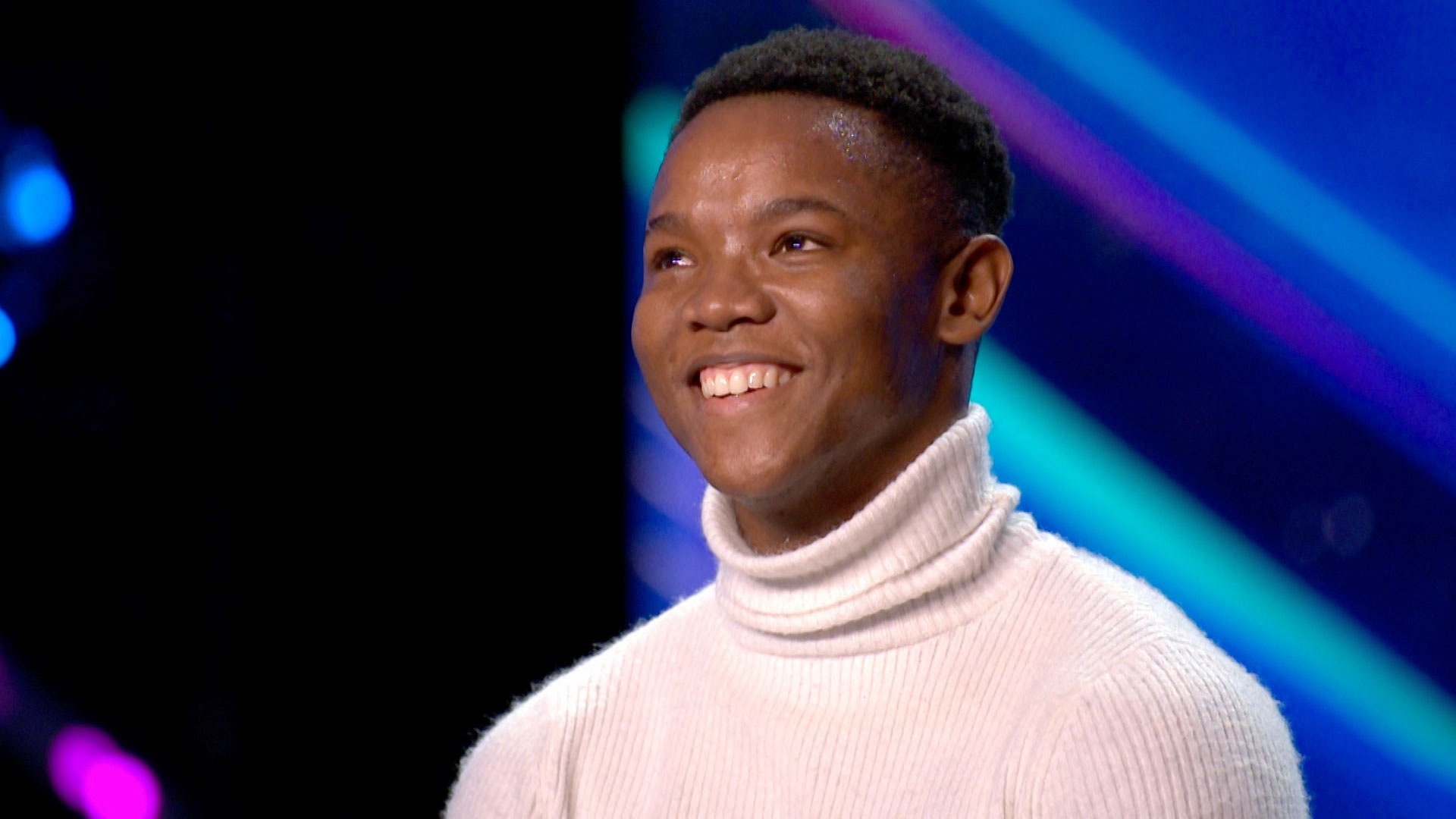
When Musa Motha stepped onto the stage of Britain’s Got Talent, no one in the audience could have fully prepared for what they were about to witness.
A young man with a powerful story, Musa had already survived something most people could never imagine. As a child in South Africa, he was diagnosed with cancer, and the illness led to the loss of one of his legs. But instead of letting that moment define the limits of his life, he chose something extraordinary — he chose dance.
For Musa, movement became more than expression. It became freedom. It became identity. And it became his way of proving to the world that strength is not measured by what you lose, but by what you create from it.
The moment his audition began, the atmosphere inside the room shifted completely.
Using crutches not as a limitation but as part of his performance, Musa transformed the stage into something unforgettable. Every movement carried weight, emotion, and precision. It wasn’t just dance — it was storytelling through pain, resilience, and hope.
The audience sat in stunned silence, fully locked into every second of his performance. What they were witnessing wasn’t just skill — it was evolution in real time. A man redefining what the human body is capable of.
As the performance built, so did the emotion in the room. By the time Musa reached the final moments of his routine, the energy exploded. The crowd rose to their feet in a thunderous standing ovation that didn’t seem to stop.
The judges were visibly emotional, overwhelmed by both the artistry and the story behind it. And then came the moment that made history — the collective reaction that led to a Golden Buzzer moment unlike anything seen before on the show.
Golden confetti filled the air as Musa stood on stage, not just as a contestant, but as a symbol of resilience, courage, and possibility.
His journey from surviving cancer to making history on one of the world’s biggest stages became an instant global inspiration — a reminder that limitations don’t define destiny.